GRADIENT
Pozorování změny
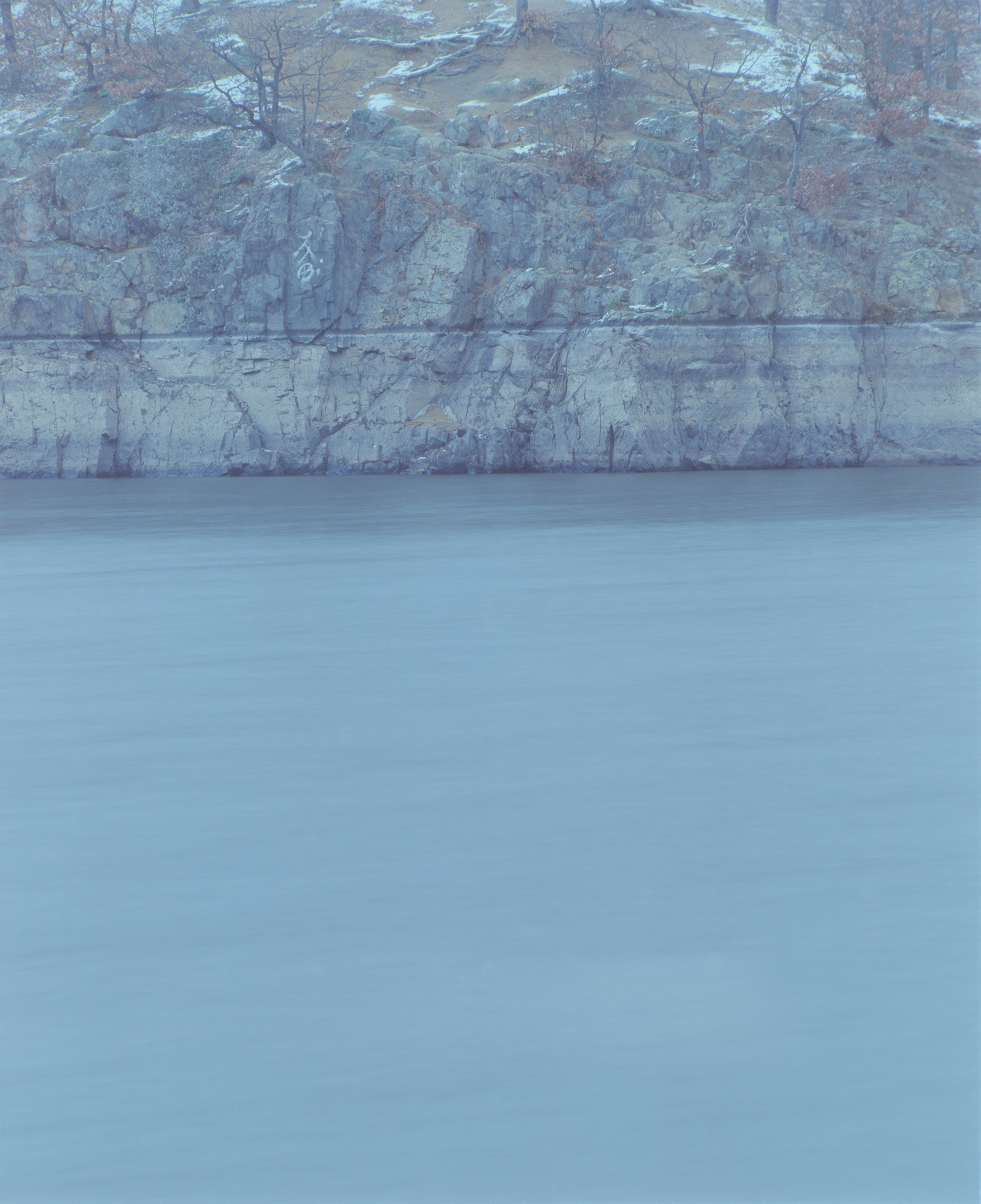
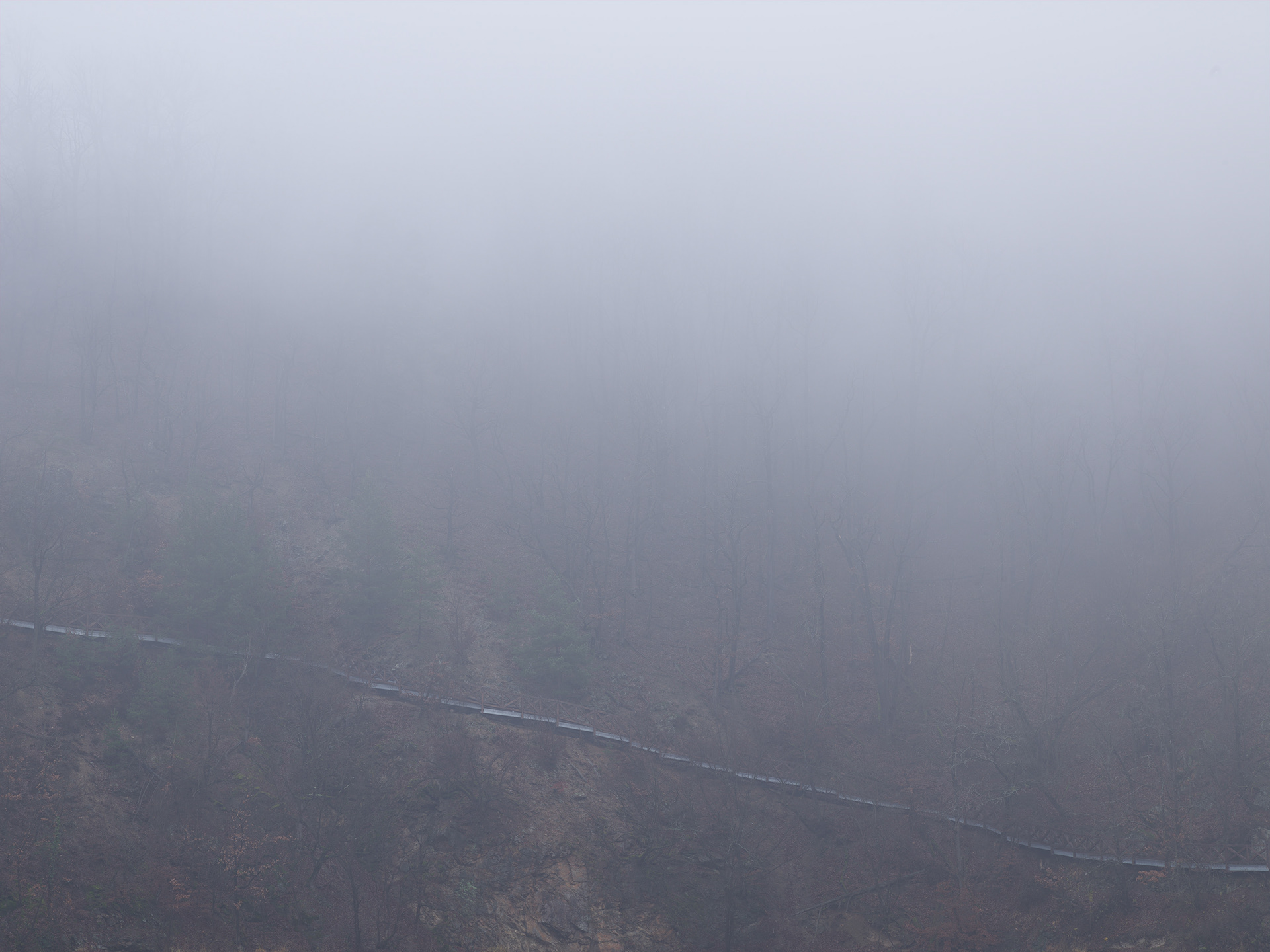
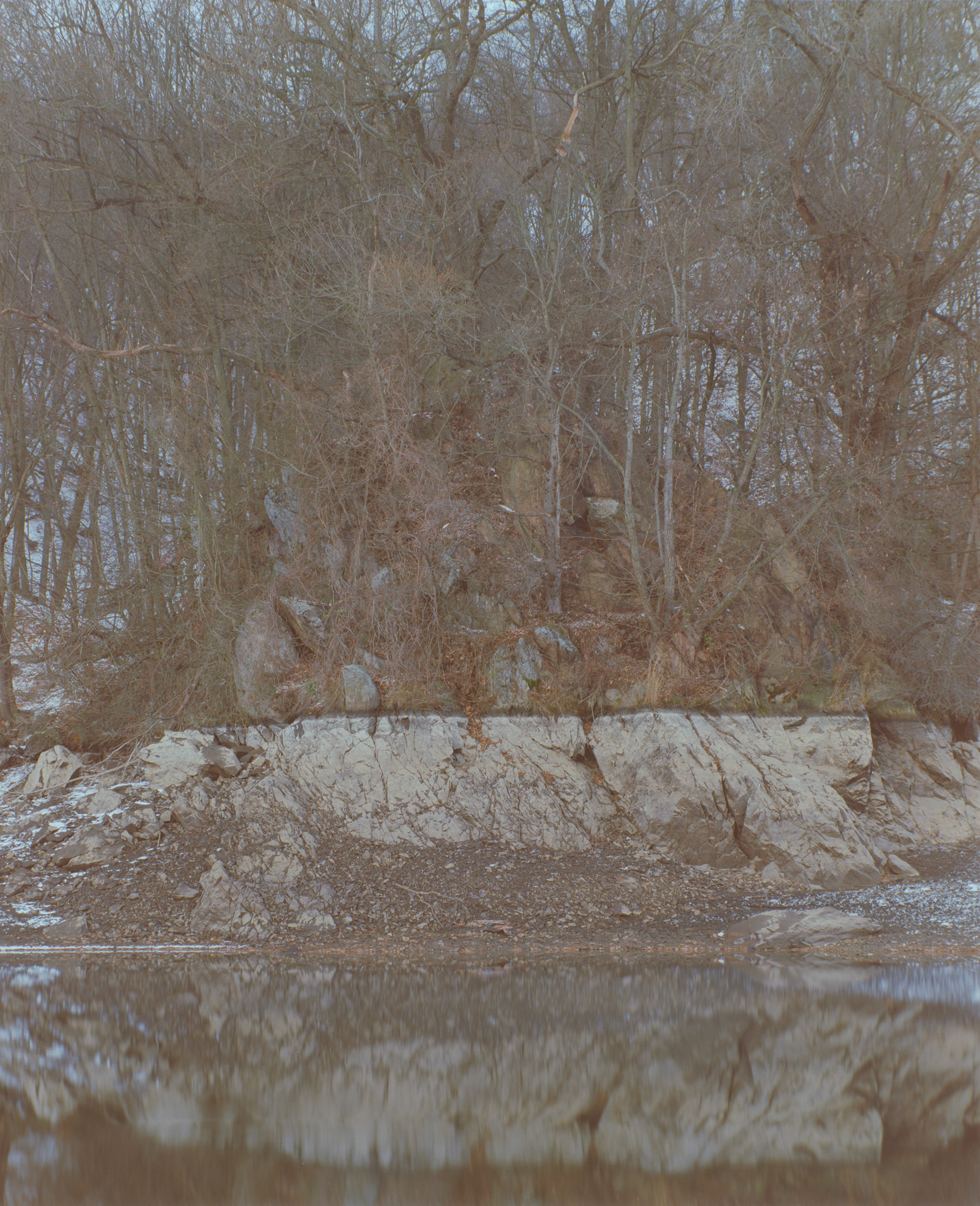
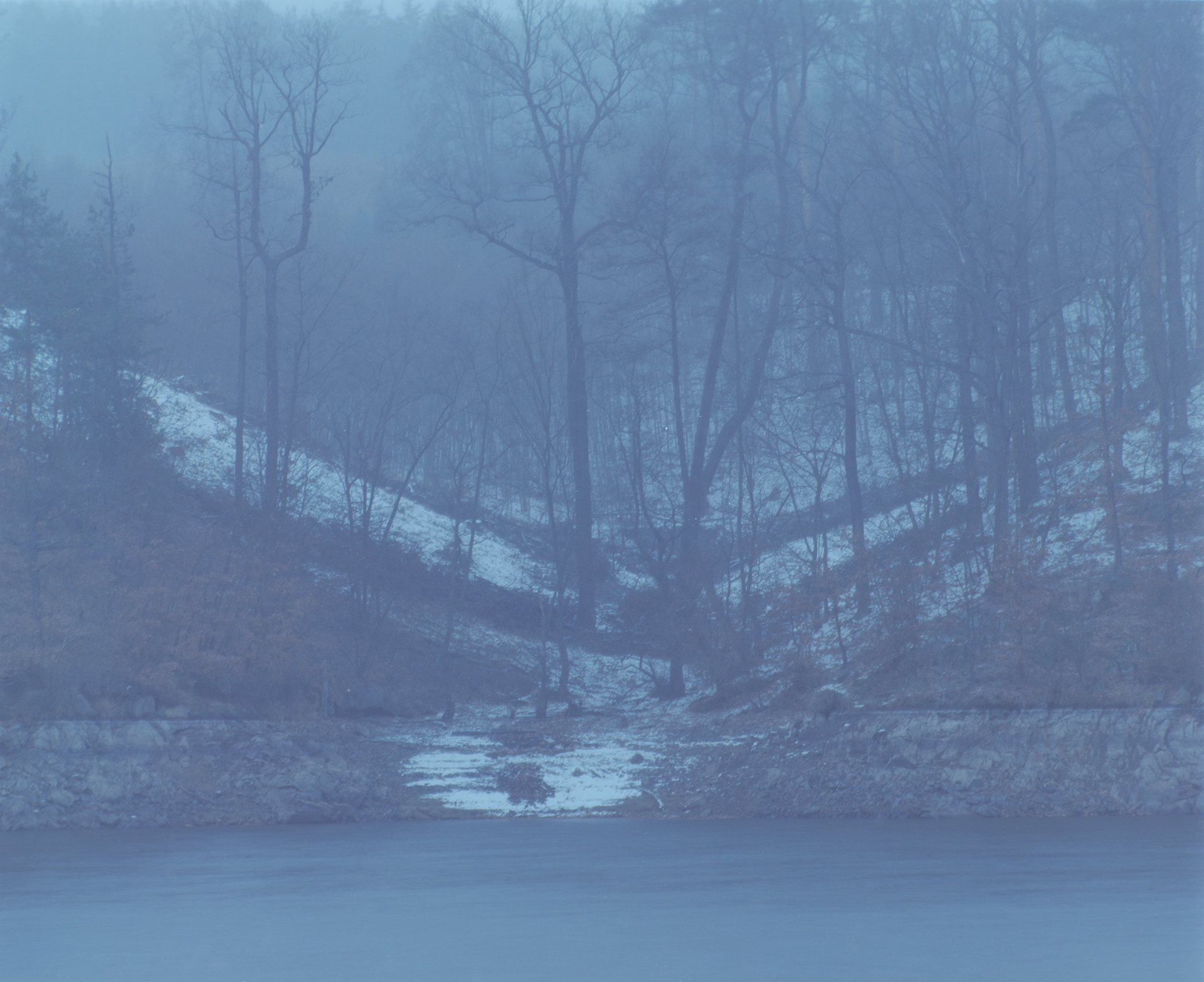
Fotografie sledují vizuální a mentální trajektorii, na níž je od roku 2021 systematicky zkoumána proměnlivost obrazu, vědomí a času skrze fotografický proces. Záznamy, textové fragmenty a průběžné poznámky dokumentují posun od intuitivní tvorby k analytickému uchopení obrazu – k jeho vrstvení, narušování a reinterpretaci.
Za výchozí bod je možné považovat vztah k prostoru a samotnému obrazu. Původní pozornost směřovala k pobytu v krajině, bez ambice na její zaznamenání. Pozornost se přesunula ke snaze porozumět obrazu jako fenoménu, který vzniká v meziprostoru mezi pozorovatelem a věcí samotnou. V těchto mezifázích vznikají fotografie, které nenesou pouze estetickou hodnotu, ale fungují jako zpětná vazba, jako způsob myšlení obrazem.
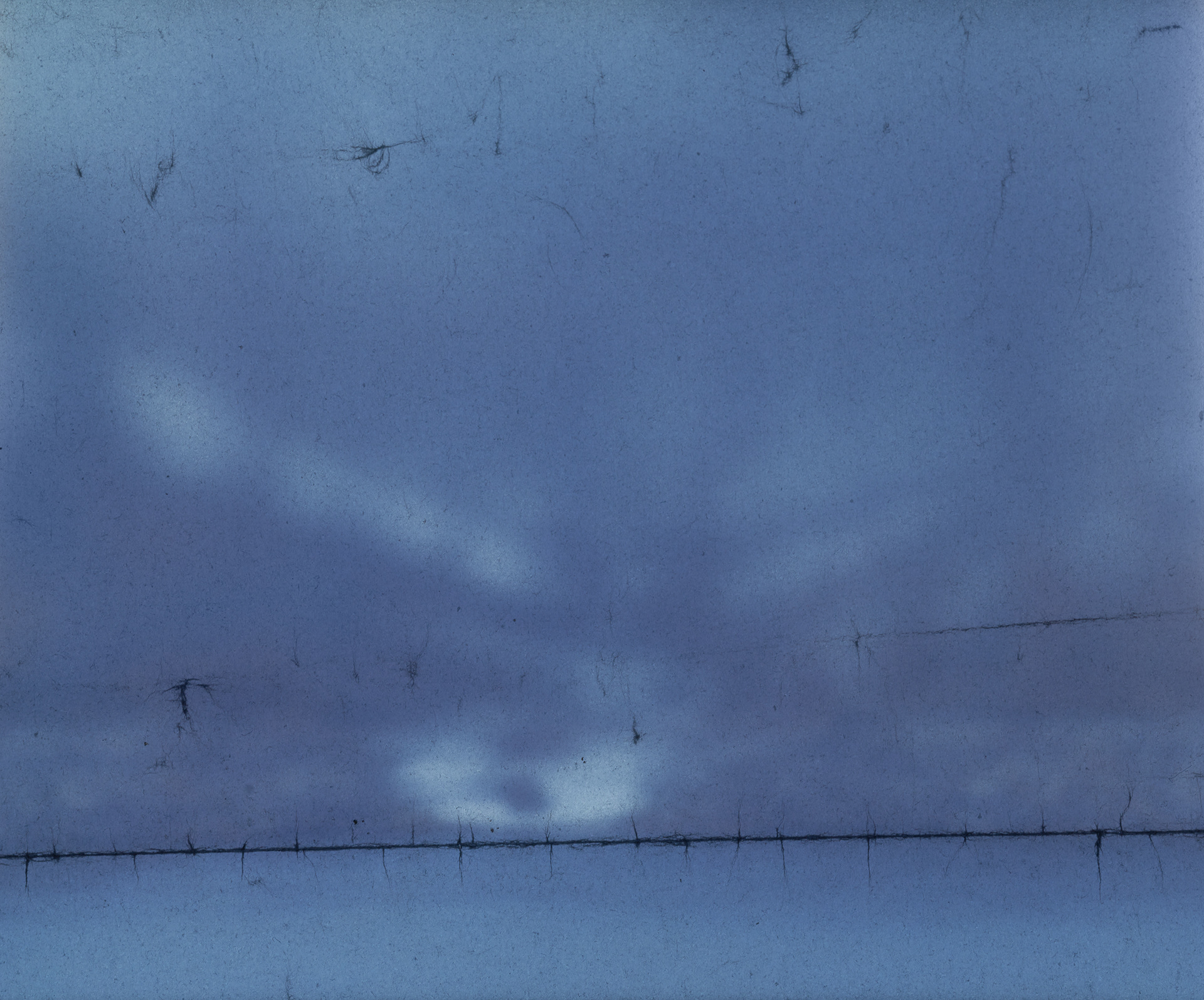
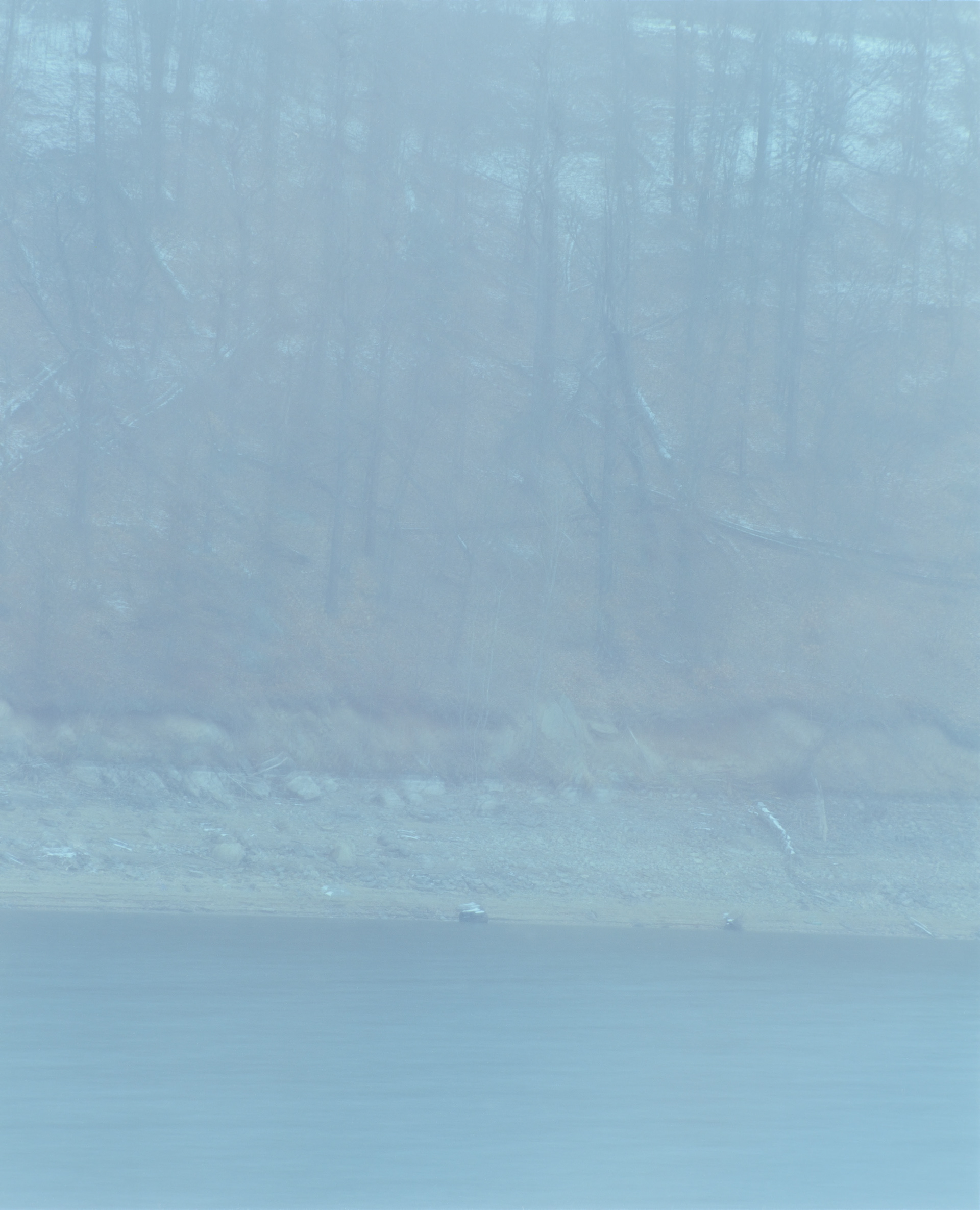
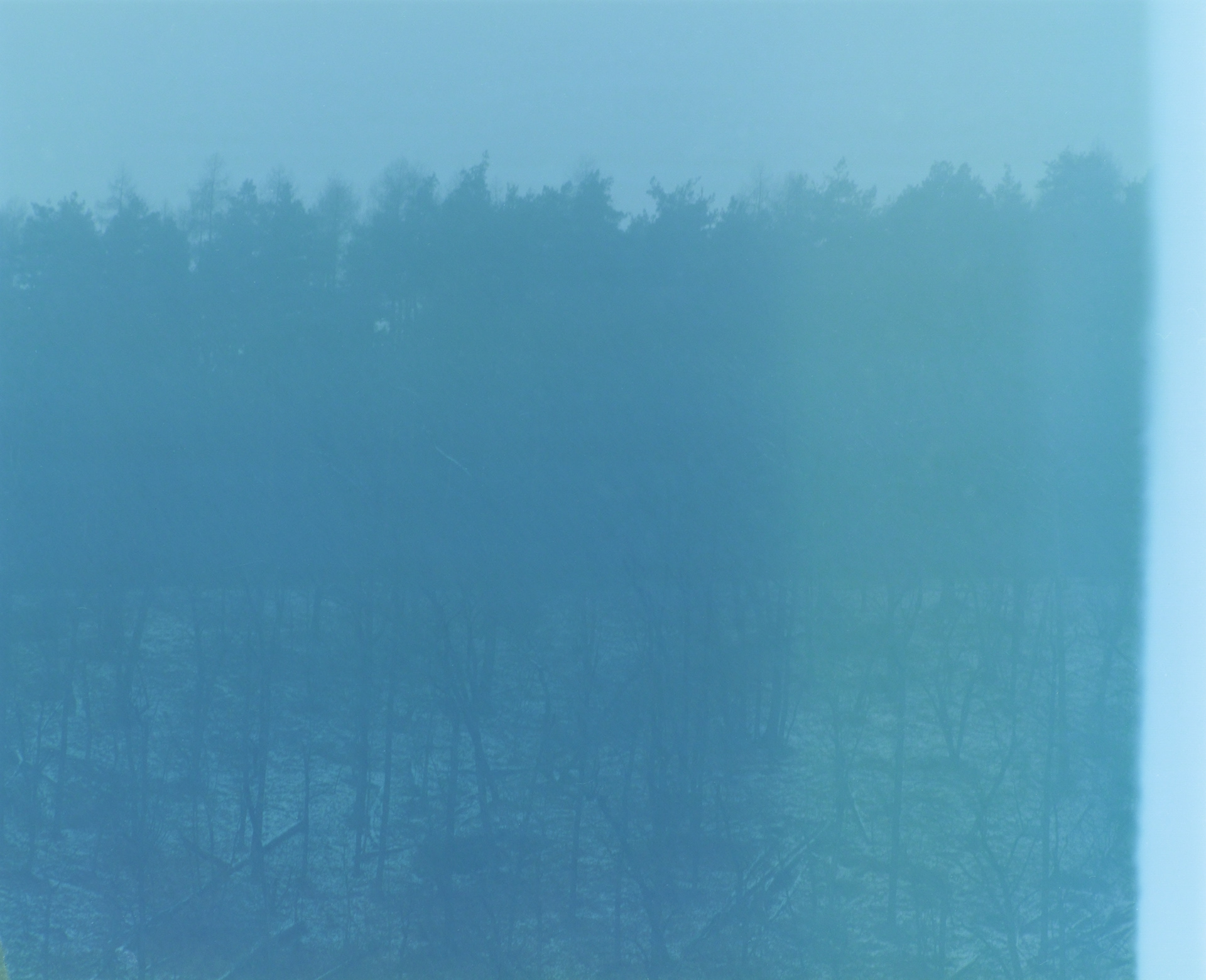
Práce s vrstvením a zásahy do fotografií nejsou chápány jako postprodukční manipulace, ale jako pokus o znovuvstoupení do okamžiku, o jeho zkoumání a aktualizaci. Systematická analýza, co z obrazu zůstává jako „základní informace“ i po jeho dekompozici. Dochází tak k průniku s principy piktorialismu i abstrakce, přičemž zůstává odstup od ryze estetizujícího přístupu.
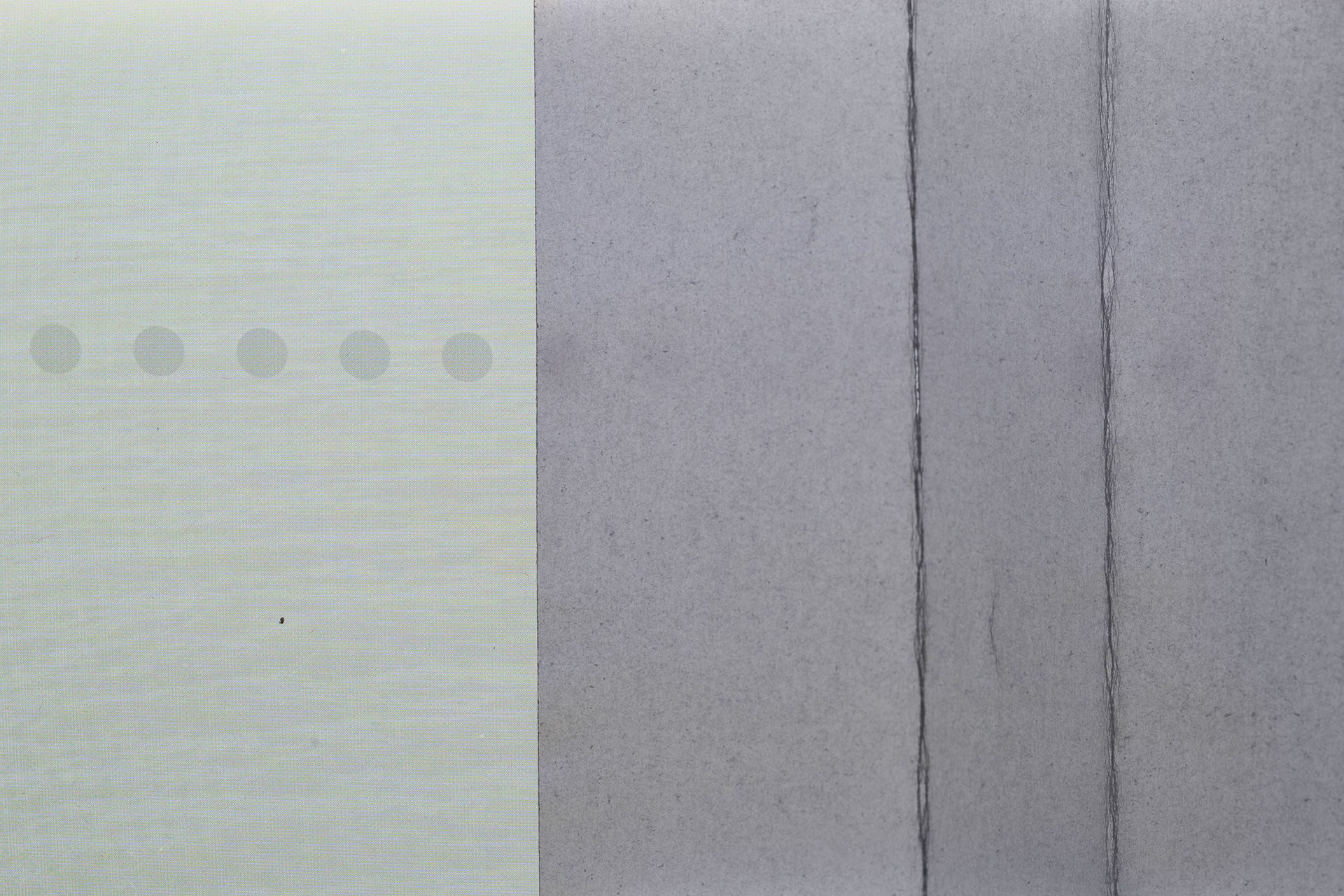
Tento koncept je dále rozpracován skrze formáty jako slideshow, promítání nebo opakování fotografií s minimálním zásahem. Následné variace, pohyb, časová sekvence a změna se stávají rovnocennou součástí obrazové informace. Zásah není trvalý, ale proměnlivý, reflektující nestabilitu poznání a nemožnost finální odpovědi.
Opakujícím se motivem je koncept „bez nutnosti odpovědi“. Není kladen důraz na definitivní interpretaci, ale na otevřený proces, který má svůj rytmus, zvraty i ticho. Práce s fotografií se stává prostředkem dotazování, jehož podstatou je hledání bez nutnosti uzavření.
Do popředí se dostává i vědomí pomíjivosti samotného média. Fotografie je vnímána jako objekt s omezenou životností a v tomto aspektu nalézá paralely s vlastní existencí. Tvorba se tak v určité fázi zbavuje ambice trvalosti, přesnosti či paměťové funkce.
Výsledný tvar díla není cílem, ale stává se nositelem procesu. Tato otevřenost umožňuje vstup dalších vrstev interpretace, ať už skrze technické formy (projekce, variace, kresba) nebo mentální kontext (vzpomínka, sen, rytmus, frekvence).
Fotografie jsou tak pohybovým polem, v němž dochází k neustálé konfrontaci vnitřního a vnějšího světa. Je to dlouhodobá strategie pozorování, přehodnocování a redefinice obrazu skrze jeho neukončenost. Ve své podstatě jde o konceptuální mapování podstaty fotografického myšlení.
Fotografie sledují vizuální a mentální trajektorii, na níž je od roku 2021 systematicky zkoumána proměnlivost obrazu, vědomí a času skrze fotografický proces. Záznamy, textové fragmenty a průběžné poznámky dokumentují posun od intuitivní tvorby k analytickému uchopení obrazu – k jeho vrstvení, narušování a reinterpretaci.
Za výchozí bod je možné považovat vztah k prostoru a samotnému obrazu. Původní pozornost směřovala k pobytu v krajině, bez ambice na její zaznamenání. Pozornost se přesunula ke snaze porozumět obrazu jako fenoménu, který vzniká v meziprostoru mezi pozorovatelem a věcí samotnou. V těchto mezifázích vznikají fotografie, které nenesou pouze estetickou hodnotu, ale fungují jako zpětná vazba, jako způsob myšlení obrazem.
Práce s vrstvením a zásahy do fotografií nejsou chápány jako postprodukční manipulace, ale jako pokus o znovuvstoupení do okamžiku, o jeho zkoumání a aktualizaci. Systematická analýza, co z obrazu zůstává jako „základní informace“ i po jeho dekompozici. Dochází tak k průniku s principy piktorialismu i abstrakce, přičemž zůstává odstup od ryze estetizujícího přístupu.
Tento koncept je dále rozpracován skrze formáty jako slideshow, promítání nebo opakování fotografií s minimálním zásahem. Následné variace, pohyb, časová sekvence a změna se stávají rovnocennou součástí obrazové informace. Zásah není trvalý, ale proměnlivý, reflektující nestabilitu poznání a nemožnost finální odpovědi.
Opakujícím se motivem je koncept „bez nutnosti odpovědi“. Není kladen důraz na definitivní interpretaci, ale na otevřený proces, který má svůj rytmus, zvraty i ticho. Práce s fotografií se stává prostředkem dotazování, jehož podstatou je hledání bez nutnosti uzavření.
Do popředí se dostává i vědomí pomíjivosti samotného média. Fotografie je vnímána jako objekt s omezenou životností a v tomto aspektu nalézá paralely s vlastní existencí. Tvorba se tak v určité fázi zbavuje ambice trvalosti, přesnosti či paměťové funkce.
Výsledný tvar díla není cílem, ale stává se nositelem procesu. Tato otevřenost umožňuje vstup dalších vrstev interpretace, ať už skrze technické formy (projekce, variace, kresba) nebo mentální kontext (vzpomínka, sen, rytmus, frekvence).
Fotografie jsou tak pohybovým polem, v němž dochází k neustálé konfrontaci vnitřního a vnějšího světa. Je to dlouhodobá strategie pozorování, přehodnocování a redefinice obrazu skrze jeho neukončenost. Ve své podstatě jde o konceptuální mapování podstaty fotografického myšlení.
Observing Change
The photographs follow a visual and mental trajectory on which the changeability of image, consciousness and time has been systematically explored through the photographic process since 2021. Records, text fragments and continuous notes document the shift from intuitive creation towards an analytical grasp of image—its layering, disruption and reinterpretation.
The starting point might have been the relationship to space and the image itself. The original focus was on being in the landscape, without any ambition to record it. Attention shifted to an effort to understand image as a phenomenon that arises in the space between the observer and the thing itself. In these intermediate phases, photographs are created that not only have aesthetic value but also function as feedback, as a way of thinking through images.
Working with layering and interventions in photographs is not understood as post-production manipulation, but as an attempt to re-enter the moment, to examine and update it, a systematic analysis of what remains of the image as "basic information" even after its decomposition. This leads to an intersection with the principles of pictorialism and abstraction, while maintaining a distance from a purely aesthetic approach.
This concept is further developed through formats such as slideshows, projections, or repetitions of photographs with minimal intervention. Subsequent variations, movement, time sequences and changes become an equal part of the visual information. The intervention is not permanent but variable, reflecting the instability of knowledge and the impossibility of a definite answer.
Recurring motifs include the concept of "no need to answer." The emphasis is not on definite interpretation but on an open process that has its own rhythm, twists and turns, and silence. Working with photography becomes a means of asking questions, the essence of which is searching without a need for closure.
The awareness of the transience of the medium itself comes to the fore as well. A photograph is perceived as an object with a limited lifespan, and in this respect it shows parallels with its own existence. At a certain point, creative work thus abandons any ambition of permanence, precision, or memory function.
The resulting form of the work is not the objective but becomes the bearer of the process. This openness allows for further layers of interpretation, whether through technical forms (projection, variation, drawing) or mental contexts (memory, dream, rhythm, frequency).
The photographs are thus a field of movement in which the inner and outer worlds constantly clash. It is a long-term strategy of observation, re-evaluation and redefinition of image through its incompleteness. In essence, it is a conceptual mapping of the nature of photographic thinking.
The starting point might have been the relationship to space and the image itself. The original focus was on being in the landscape, without any ambition to record it. Attention shifted to an effort to understand image as a phenomenon that arises in the space between the observer and the thing itself. In these intermediate phases, photographs are created that not only have aesthetic value but also function as feedback, as a way of thinking through images.
Working with layering and interventions in photographs is not understood as post-production manipulation, but as an attempt to re-enter the moment, to examine and update it, a systematic analysis of what remains of the image as "basic information" even after its decomposition. This leads to an intersection with the principles of pictorialism and abstraction, while maintaining a distance from a purely aesthetic approach.
This concept is further developed through formats such as slideshows, projections, or repetitions of photographs with minimal intervention. Subsequent variations, movement, time sequences and changes become an equal part of the visual information. The intervention is not permanent but variable, reflecting the instability of knowledge and the impossibility of a definite answer.
Recurring motifs include the concept of "no need to answer." The emphasis is not on definite interpretation but on an open process that has its own rhythm, twists and turns, and silence. Working with photography becomes a means of asking questions, the essence of which is searching without a need for closure.
The awareness of the transience of the medium itself comes to the fore as well. A photograph is perceived as an object with a limited lifespan, and in this respect it shows parallels with its own existence. At a certain point, creative work thus abandons any ambition of permanence, precision, or memory function.
The resulting form of the work is not the objective but becomes the bearer of the process. This openness allows for further layers of interpretation, whether through technical forms (projection, variation, drawing) or mental contexts (memory, dream, rhythm, frequency).
The photographs are thus a field of movement in which the inner and outer worlds constantly clash. It is a long-term strategy of observation, re-evaluation and redefinition of image through its incompleteness. In essence, it is a conceptual mapping of the nature of photographic thinking.